10+
Years Of Experience
Ground-Up Projects Built to Code and Schedule
New Construction & Site Development in El Paso for Commercial and Residential Projects Starting from Raw Land
Grading a building site correctly establishes drainage patterns that prevent water from pooling near foundations and directs runoff toward streets or retention areas required by municipal stormwater regulations. National Contracting coordinates site development and new construction for commercial and residential projects in El Paso, managing grading, utility installation, and structural buildout through final inspections. The process involves reviewing site topography to determine optimal building placement, clearing and grubbing vegetation, and moving earth to create level building pads while maintaining required slopes for drainage away from structures.
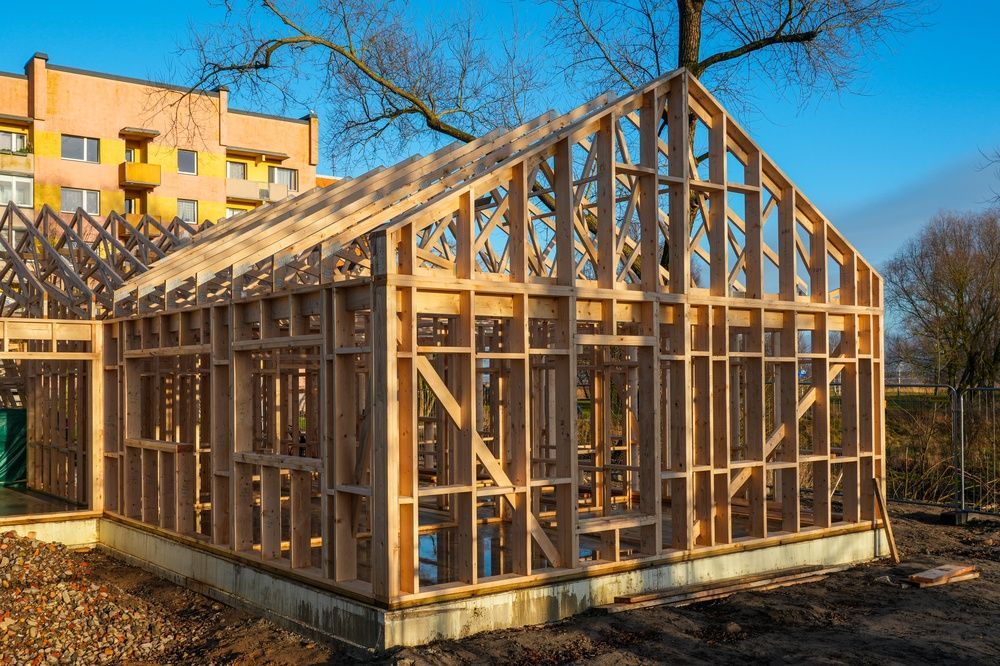
New construction project management includes coordinating subcontractors for foundation work, framing, mechanical systems, and finishes so that each trade completes work in sequence without delays or conflicts. Code compliance and permitting involves submitting plans for review, scheduling inspections at required stages such as foundation, framing, and final, and addressing any corrections needed to meet building department requirements. Infrastructure work such as extending water and sewer lines, installing electrical service, and paving access roads gets completed during site development before vertical construction begins.
Arrange a development consultation to review your project scope and discuss site preparation requirements for your property.
What Turnkey Construction Includes from Start to Finish
Site development involves more than moving dirt—it requires analyzing soil conditions to determine if engineered fill or special foundations are needed, locating existing utilities to avoid damage during excavation, and establishing benchmarks that guide grading equipment to achieve the design elevations. Preparation work includes installing temporary erosion control measures such as silt fencing or gravel entrances that prevent mud from tracking onto public streets during construction, which is required by city inspectors before any earthmoving permits are issued.
Once construction is complete, you'll have a building that passed all required inspections and received a certificate of occupancy, meaning electrical systems are safe, plumbing is properly vented and trapped, and structural elements meet wind and seismic load requirements. The site will drain correctly without standing water after rainstorms, because finish grading established positive slopes away from the building and connected to stormwater infrastructure. Paved areas, sidewalks, and landscaping are installed according to approved plans so that the property matches the design intent submitted during permitting.
Efficient project execution depends on anticipating material lead times, scheduling inspections to avoid delays between construction phases, and maintaining clear communication with architects, engineers, and property owners throughout the build. Contractor coordination ensures that trades aren't waiting on each other or duplicating work, and any design changes get documented and approved before affecting the construction schedule.
Answers to Frequent Questions About New Construction
New construction projects involve numerous decisions about materials, methods, and sequencing that affect cost, timeline, and long-term building performance, particularly in desert climates where heat and soil conditions create specific challenges.
What site conditions affect foundation design and cost in El Paso?
Expansive clay soils require either deeper foundations that extend below the active zone where moisture fluctuations cause movement, or engineered fill that replaces unstable soil with compacted material, and both approaches add cost compared to stable soil conditions.
How long does the permitting process take before construction can begin?
Plan review and permitting typically takes four to eight weeks depending on project complexity and building department workload, and incomplete submissions or required revisions extend that timeline, so early coordination with architects and engineers prevents delays.
What inspections are required during new construction?
Typical inspections include footing and foundation, framing and structural, plumbing rough-in, electrical rough-in, mechanical systems, insulation, and final inspection before occupancy, with each inspection requiring approval before subsequent work can proceed.
How do you coordinate multiple contractors on a single project?
Project management involves scheduling each trade to complete work in the correct sequence, ensuring materials arrive when needed, and resolving conflicts when site conditions differ from design assumptions, which requires daily communication and problem-solving throughout the construction process.
What factors affect construction timelines in the El Paso area?
Material availability, weather delays during site work, inspector availability, and subcontractor scheduling all affect timelines, and projects typically experience minor delays even with careful planning, so realistic schedules include buffer time for unforeseen conditions.
National Contracting provides turnkey construction services for clients in El Paso needing complete project management from site development through final occupancy. Reach out to discuss your construction project and receive a comprehensive proposal outlining scope, schedule, and budget.