10+
Years Of Experience
Low-Slope Roofs Designed for Decades
TPO Roofing Systems in El Paso for flat-roofed warehouses, industrial buildings, and commercial properties that need heat-reflective membranes
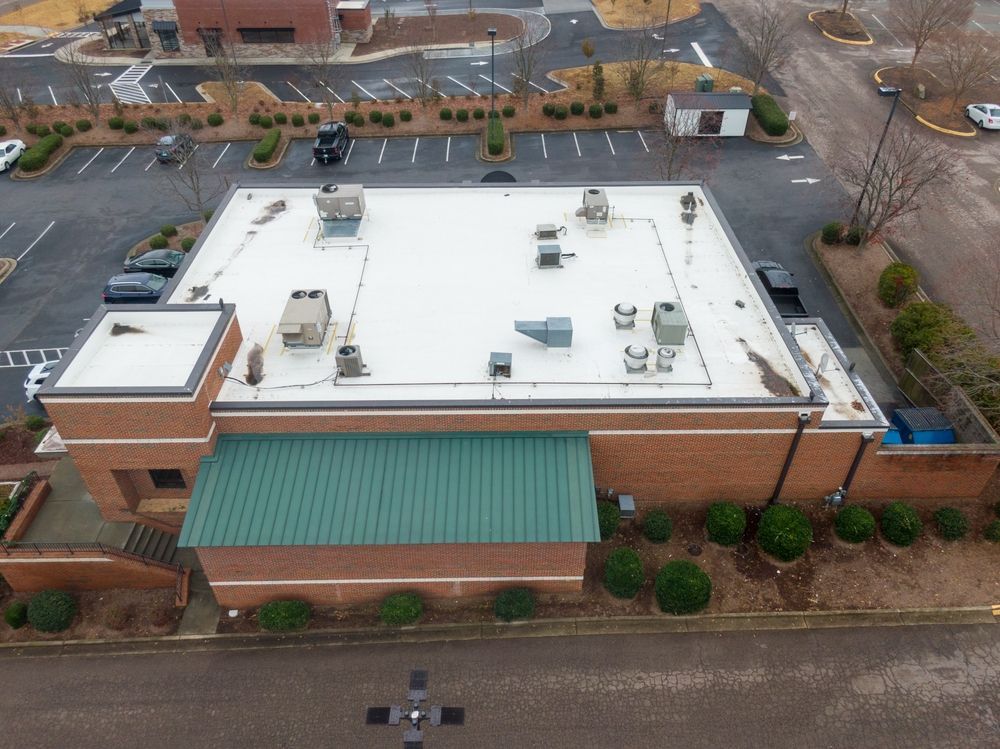
Flat and low-slope commercial roofs absorb intense solar radiation that accelerates membrane aging and increases cooling costs. TPO roofing systems use white thermoplastic membranes that reflect sunlight, resist UV damage, and create heat-welded seams that remain watertight despite thermal expansion. National Contracting installs TPO roofing on commercial buildings where energy efficiency, low maintenance, and long service life justify the upfront investment. Your facility benefits from a roofing system that stays flexible in temperature extremes, handles foot traffic near rooftop equipment, and rarely requires emergency repairs if installed with proper drainage.
TPO installation begins with removing existing roofing materials, repairing damaged substrate, and installing insulation layers that create positive drainage toward roof drains. Contractors then roll out TPO membrane sheets, overlap seams by several inches, and use hot-air welding equipment to fuse the seams into a single continuous layer. The welded seams are stronger than the membrane itself, which prevents the separation and leaks common in adhesive-based systems.
Request a commercial TPO consultation to evaluate whether your building's roof structure supports membrane replacement or restoration.
What Changes After TPO Installation Completes
TPO membranes reflect up to 80 percent of solar radiation, which lowers roof surface temperatures by 40 to 50 degrees compared to darker materials like modified bitumen. Lower roof temperatures reduce heat transfer into the building, which decreases air conditioning runtime and extends HVAC equipment life. The reflective surface also qualifies for energy efficiency rebates in some cases and contributes to LEED certification points for sustainable building practices.
After installation, you'll notice that interior spaces near the roofline become easier to cool because less heat penetrates through the roof deck. Ponding water disappears within hours after rain because tapered insulation systems slope water toward drains rather than letting it sit in low spots where it accelerates membrane aging. The roof requires less frequent maintenance because TPO resists algae growth, punctures, and chemical exposure better than older roofing materials, which means fewer service calls and lower long-term costs.
TPO roofing systems work best on buildings with minimal rooftop penetrations and regular maintenance schedules that include semiannual inspections. Repair options include patching small punctures with heat-welded patches and replacing damaged membrane sections without tearing off the entire roof. National Contracting provides both new TPO installations and repairs for existing systems that have suffered storm damage or wear near high-traffic areas.
Common Questions About TPO Roofing
Facility managers and property owners often ask about TPO's performance in extreme heat, how long the system lasts, and what maintenance it requires.
How long does a TPO roof last?
TPO membranes typically last 20 to 30 years depending on membrane thickness, maintenance frequency, and whether the roof experiences heavy foot traffic or chemical exposure from nearby industrial operations that accelerate membrane degradation.
Why is TPO better than other flat roofing materials?
TPO combines the heat-welded seam strength of PVC with lower material costs, offers better UV resistance than EPDM rubber, and reflects more sunlight than darker membranes, which matters in El Paso where roof surface temperatures regularly exceed 150 degrees during summer.
Can TPO handle ponding water?
While no flat roof should retain standing water for more than 48 hours, TPO tolerates occasional ponding better than asphalt-based systems because it doesn't absorb water or degrade as quickly when submerged, though proper drainage design prevents ponding in the first place.
What maintenance does TPO roofing require?
Semiannual inspections should check for punctures near HVAC units, verify that seams remain intact, and clear debris from drains, while annual professional inspections document membrane condition for warranty compliance and identify small problems before they require expensive repairs.
How much energy does a TPO roof save?
Buildings with dark roofs that switch to white TPO membranes often see cooling cost reductions of 10 to 20 percent during summer months because reflective surfaces reduce heat gain, though actual savings depend on insulation levels, building use, and HVAC efficiency.
National Contracting specializes in TPO installations for warehouses, industrial facilities, and commercial properties where long-term performance and energy efficiency matter more than upfront cost. Schedule a roof evaluation to determine whether TPO suits your building's structural requirements and budget.