
10+
Years Of Experience
Roofs Built to Handle Decades of Desert Heat
Tile Roofing in El Paso for Properties Exposed to Intense Sun and Temperature Swings
National Contracting provides tile roofing installation and replacement in El Paso, where summer surface temperatures regularly exceed 150 degrees and winter freezes can crack inferior materials. You need a roof system that expands and contracts without failing, sheds heat instead of absorbing it, and holds up under monsoon downpours that dump inches of rain in minutes. Tile roofing withstands these extremes better than asphalt or metal because the material itself doesn't degrade under UV exposure and the profile allows continuous airflow beneath each tile.
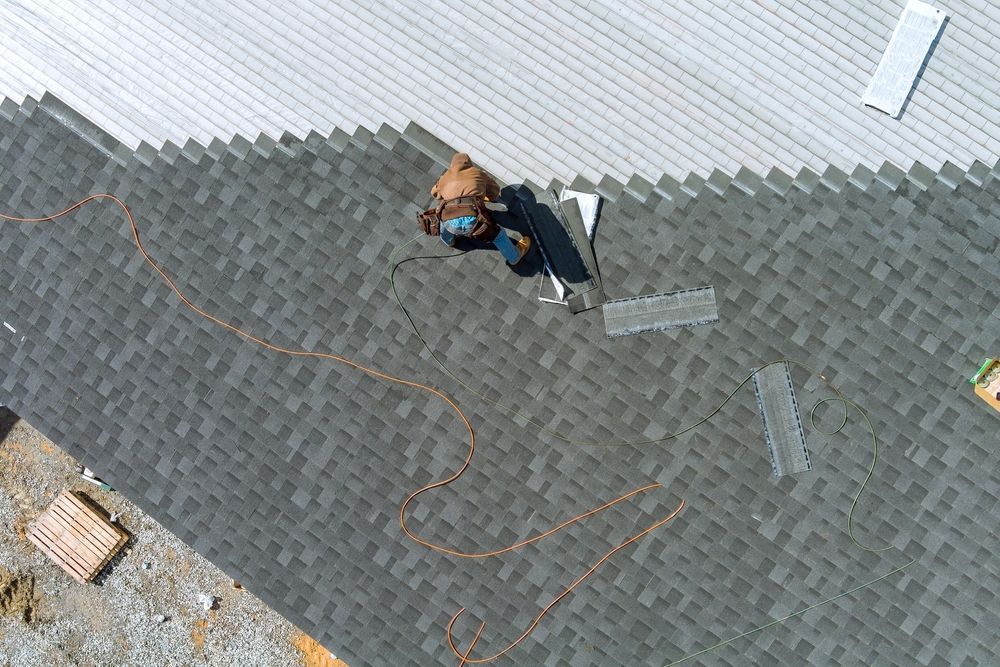
Tile roofing involves removing existing materials down to the decking, installing underlayment rated for high-wind zones, and securing individual tiles with corrosion-resistant fasteners that accommodate thermal expansion. The roof deck gets inspected for wind damage or rot before any tile goes down, because a tile roof can last fifty years and the structure beneath it needs to match that lifespan. Each tile overlaps the one below it to create a drainage plane that directs water off the roof without pooling or seepage at the seams.
Request a site evaluation to assess your current roof structure and discuss tile profile options suited to your property.
What Tile Roofing Accomplishes in Southwest Conditions
Tile roofing creates a thermal barrier between your interior and the sun's direct radiation, because the air gap under each tile allows heat to vent before it transfers into the attic space. This reduces cooling loads during the summer months when air conditioning accounts for the majority of energy costs in El Paso. The tile surface itself reflects more solar radiation than dark asphalt shingles, which absorb heat and transfer it directly into the home.
After installation, you'll notice interior temperatures stay more stable during the afternoon heat, and your HVAC system cycles less frequently to maintain comfort. The roof profile sheds water quickly during heavy rain, preventing the ponding that can seep through seams in flat or low-slope assemblies. Tiles don't curl, crack, or lose granules the way asphalt shingles do after years of sun exposure, so the roof maintains its appearance and performance without the need for replacement every fifteen to twenty years.
Tile roofing also includes maintenance and repair services to address individual broken tiles caused by hail or debris impact, which extends the overall lifespan of the system without requiring full replacement. The underlayment and flashing around vents, chimneys, and roof penetrations are the components most likely to need attention over time, and those can be serviced without disturbing the tile field itself.
Questions Property Owners Ask Before Installing Tile Roofing
Tile roofing requires specific structural support and installation techniques that differ significantly from asphalt shingle systems, so understanding the process and long-term considerations helps you evaluate whether it's the right fit for your property.
What type of roof structure is needed to support tile?
Tile roofing weighs between 800 and 1,200 pounds per square, depending on the profile, so the roof framing must be engineered to handle that load. Older homes may require additional bracing or reinforcement before tile installation.
How does tile roofing perform during El Paso's monsoon season?
The overlapping tile profile and properly installed underlayment create multiple drainage layers that prevent water intrusion even during wind-driven rain, which is common during summer monsoons when storms approach from the south.
What maintenance does tile roofing require over time?
Individual tiles may crack from impact and need replacement, and underlayment around roof penetrations typically requires inspection every ten to fifteen years, but the tile itself requires no coating, sealing, or surface treatment.
How long does tile roofing last compared to other materials?
Concrete and clay tile roofs routinely last fifty years or more in the Southwest, because the material doesn't degrade from UV exposure, temperature cycling, or moisture, unlike asphalt shingles that begin failing after fifteen years in desert climates.
What energy savings can tile roofing provide?
Tile roofing reduces attic temperatures by twenty to thirty degrees compared to asphalt shingles during peak summer heat, which lowers cooling costs and reduces strain on HVAC equipment throughout the hottest months.
National Contracting evaluates your existing roof structure and provides detailed recommendations for tile profiles and installation methods suited to your building. Schedule a consultation to review material options and discuss the replacement timeline for your property.